9771 Petrol Subsidy 2026: Registration, Eligibility, TOK and Rs100 Fuel Relief
The 9771 petrol subsidy is part of Pakistan’s 2026 Prime Minister’s Fuel Relief Scheme, which provides Rs100 per litre in petrol relief to eligible non-commercial vehicle users. Eligible motorcycles and other two-/three-wheelers can receive relief on up to 20 litres per month, while qualifying vehicles up to 800cc can receive relief on up to 30 litres. Applicants register through SMS to 9771 and can request their fuel token by sending TOK to the same number.

The scheme is designed to target relief toward smaller vehicles and users affected by higher fuel costs. Registration, eligibility, quotas, and rollout arrangements may change, so applicants should check the latest official instructions before submitting their information or visiting a petrol station.
Quick self-check
9771 Petrol Subsidy Eligibility Guide
Answer five simple questions to see the relevant announced quota and your next registration steps. This checker does not collect CNIC or vehicle details.
Reviewing your answers
Your private answers are being used only in this browser to prepare a general information guide.
What Is the 9771 Petrol Subsidy?
What does the Rs100 petrol subsidy mean?
The Rs100 petrol subsidy means eligible users receive Rs100 in fuel-price relief for every litre of petrol covered by the scheme. It is not a cash payment deposited into a bank account. Instead, the relief is applied when eligible beneficiaries purchase subsidized petrol through the programme. The benefit is also quota-based, so it does not mean unlimited petrol at a Rs100 discount. The government has set monthly fuel limits according to vehicle type. Eligible two- and three-wheelers can receive relief on up to 20 litres per month, while qualifying vehicles up to 800cc can receive relief on up to 30 litres.
Who launched the petrol relief scheme?
The Prime Minister’s Fuel Relief Scheme was introduced by the Government of Pakistan under Prime Minister Shehbaz Sharif as targeted support for people affected by higher petroleum prices. Rather than providing a broad 9771 Petrol Subsidy to every fuel consumer, the programme focuses relief on eligible smaller vehicles and non-commercial users.
The Economic Coordination Committee (ECC) subsequently approved Rs75 billion for implementation. The government also assigned the Ministry of Information Technology and Telecommunication responsibility for deploying and managing the Fuel Pass System (FPS), which is intended to digitally administer the relief and improve transparency in its delivery.
Why was the 9771 SMS system introduced?
The 9771 SMS system makes registration more accessible by allowing eligible applicants to complete the process from home instead of relying on a government-office visit. This is particularly useful for people who may not have a smartphone, reliable internet access, or the ability to use an online registration portal. The SMS-based approach also supports automated verification of applicant and vehicle information before fuel relief is provided. By combining mobile registration with the Fuel Pass System, the government aims to reduce paperwork, simplify access, and deliver targeted fuel relief more efficiently.
Who Is Eligible for the 9771 Petrol Subsidy?
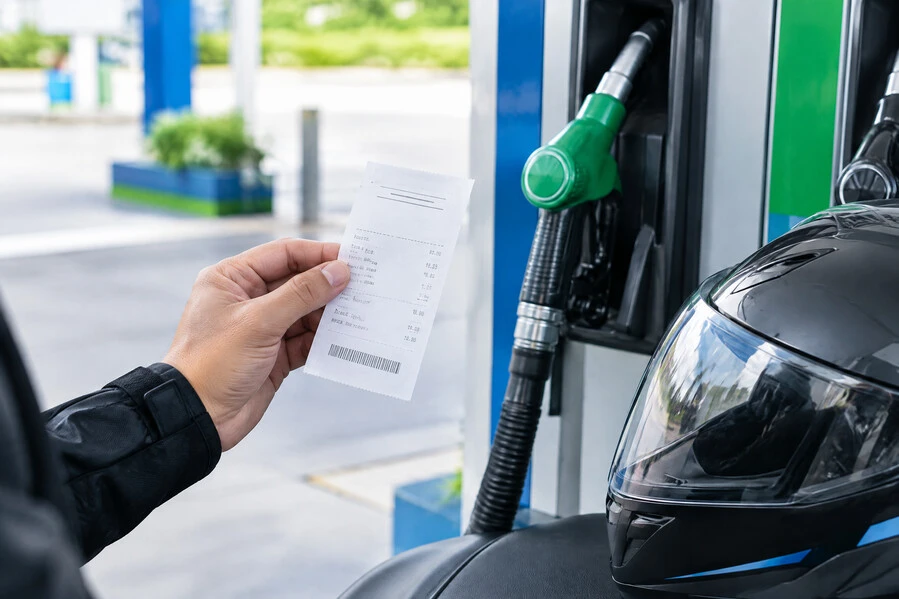
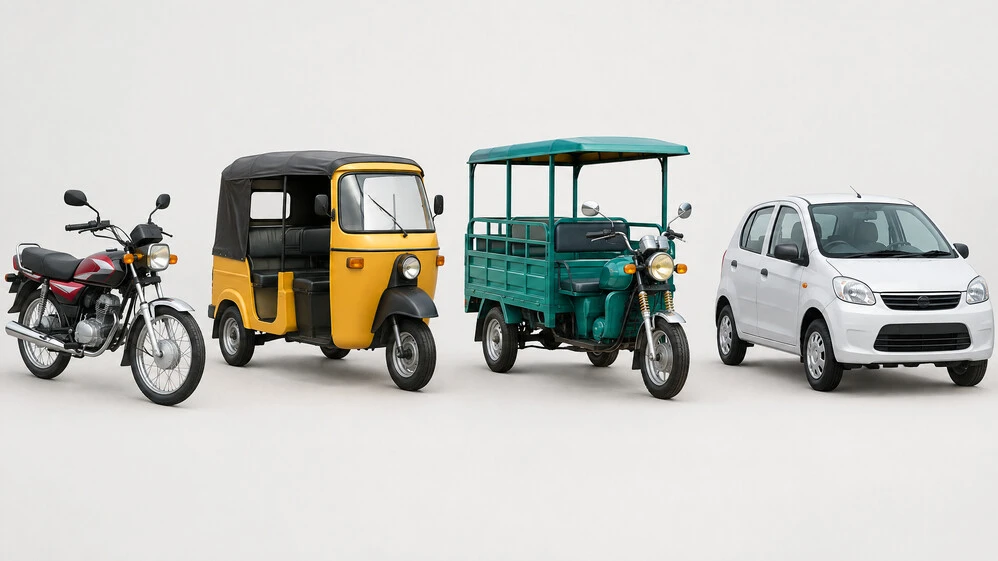
The 9771 petrol subsidy is targeted at eligible non-commercial users of smaller petrol-powered vehicles. Under the government’s announced criteria, motorcycles, rickshaws, Qingqi/Chingchi vehicles and other eligible two- and three-wheelers can receive Rs100 per litre of relief on up to 20 litres per month. Vehicles with engines up to 800cc can receive the same Rs100-per-litre relief on up to 30 litres. The ECC also states that the scheme is restricted to non-commercial users and one vehicle per user or owner.
| Vehicle/user | Petrol relief | Maximum quota | Maximum monthly value |
| Motorcycle | Rs100/L | 20L | Rs2,000 |
| Rickshaw | Rs100/L | 20L | Rs2,000 |
| Qingqi/Chingchi | Rs100/L | 20L | Rs2,000 |
| Other eligible 2/3-wheelers | Rs100/L | 20L | Rs2,000 |
| Vehicle up to 800cc | Rs100/L | 30L | Rs3,000 |
Are motorcycles eligible?
Yes. Motorcycles are eligible under the announced fuel relief scheme. A qualifying motorcycle can receive Rs100 per litre in petrol relief, subject to a maximum quota of 20 litres per month. That gives a maximum potential relief of Rs2,000 per month when the full quota is used.
Are rickshaws and Qingqi vehicles eligible?
Yes. The scheme covers eligible two- and three-wheelers, including rickshaws and Qingqi/Chingchi vehicles. The announced limit is up to 20 litres of petrol per month, with relief of Rs100 per litre and a maximum monthly benefit of Rs2,000. The non-commercial eligibility condition is important, however. Applicants should rely on the government’s verification of their vehicle and user records rather than assuming that every vehicle in a particular category will automatically qualify.
Are cars eligible?
Yes, but the announced car eligibility is limited to vehicles up to 800cc. A qualifying vehicle can receive Rs100 per litre in petrol relief on up to 30 litres per month. Using the full quota, the maximum relief is Rs3,000 per month. The 30-litre figure is a quota limit, not a promise of Rs3,000 in cash. The benefit is delivered as fuel relief through the scheme’s digital system.
Are cars above 800cc eligible?
No, under the currently announced eligibility criteria. The government’s stated criteria cover vehicles with engine capacity of up to 800cc. Therefore, vehicles above 800cc do not fall within the currently announced car category for the 9771 petrol relief scheme.
Is the subsidy available for commercial vehicles?
The ECC has specified that the relief is restricted to non-commercial users. It has also stated that the scheme is limited to one vehicle per user or owner. This means applicants should not assume that a commercial vehicle or multiple vehicles registered to the same person will qualify simply because the vehicle falls within an eligible engine or vehicle category. Final eligibility is subject to the government’s verification process.
How to Register for the 9771 Petrol Subsidy
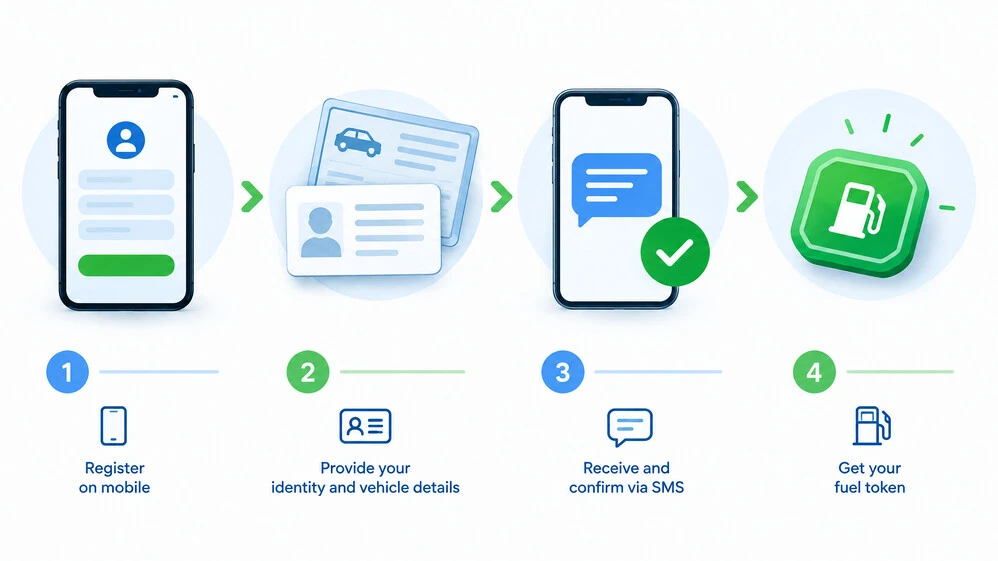
To register for the 9771 petrol subsidy, follow these four basic steps:
- Prepare your information: CNIC number, vehicle or plate number, province code/first province letter, and vehicle registration date.
- Send your registration details by SMS to 9771.
- Wait for verification and confirmation of your application.
- Before buying subsidised petrol, send TOK to 9771 to request your fuel relief token.
The government says eligible applicants can complete registration from home by sending the required details to 9771, without needing to visit a government office.
9771 Petrol Subsidy Registration Process
Step 1: Prepare your required information.
Have these details ready before sending your SMS:
- CNIC number
- Vehicle or number-plate number
- Province code or first province letter
- Vehicle registration date
Step 2: Send the registration SMS to 9771.
Submit the required registration information through the designated 9771 SMS service. Make sure the details match your official identity and vehicle records to avoid verification problems.
Step 3: Wait for verification and confirmation.
The Fuel Pass System uses the submitted information for eligibility and vehicle verification. Wait for the registration response before attempting to request fuel relief.
Step 4: Request your fuel token.
Once registered, send TOK to 9771 before visiting the petrol station to request the token used to access the eligible fuel relief.
What Information Is Required for 9771 Registration?
You should have four key pieces of information available:
- CNIC: Your national identity card number.
- Vehicle number: The vehicle or number-plate registration number.
- Province: The relevant province code or first letter.
- Registration date: The date on which the vehicle was registered.
Use the information exactly as it appears in the relevant official records. Incorrect or mismatched details can affect automated verification.
What Number Do I Send the SMS to?
Send your 9771 Petrol Subsidy registration SMS to 9771.
The same number is also used to request the fuel token by sending TOK after successful registration.
Do I Need to Visit a Government Office?
No. The announced registration process is designed to allow eligible applicants to register from home through SMS. This removes the need for a routine government-office visit and makes the scheme accessible to people who may not have a smartphone or reliable internet connection.
Does Registration Cost Money?
The government has directed that the registration SMS should be free of cost. Applicants should therefore be cautious of anyone asking for a registration fee or claiming that payment to an agent is required to activate the subsidy.
9771 Petrol Subsidy SMS Format
The 9771 petrol subsidy SMS format is based on the information the government requires for registration. Official instructions confirm that applicants need to provide their CNIC number, vehicle/plate number, province first letter, and vehicle registration date. However, applicants should follow the latest instructions from the government rather than assuming a particular punctuation or spacing format is mandatory.
What Should I Send to 9771?
The registration request uses REG as the registration keyword, followed by the required vehicle and identity information.
Conceptually, the information is:
REG + CNIC + vehicle number + province code + vehicle registration date
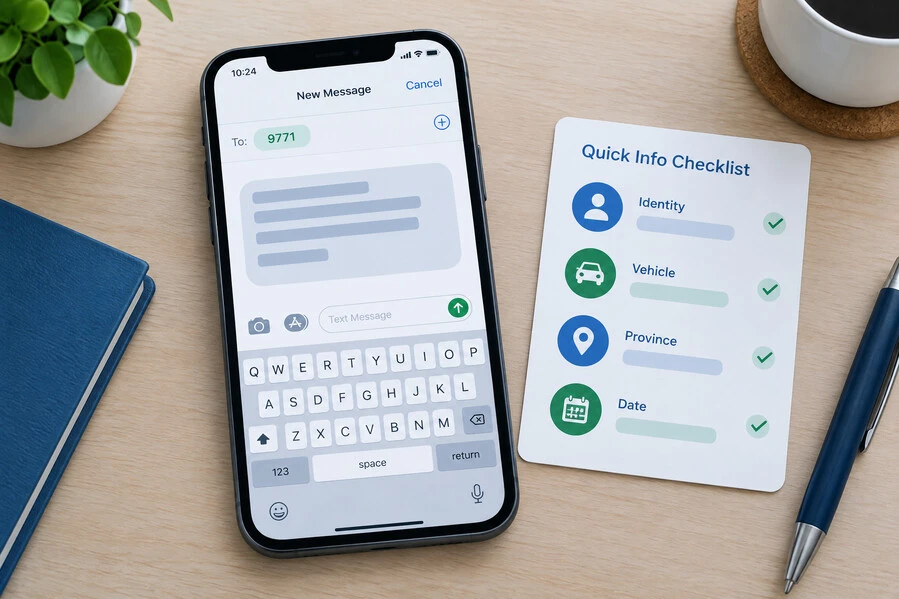
The four required data elements confirmed by the government are:
- CNIC number
- Vehicle or plate number
- Province first letter/code
- Vehicle registration date
Because SMS formatting instructions can be updated during rollout, check the latest official guidance before sending your application. Do not add personal information that the scheme does not request.
What Does REG Mean?
REG means registration and is used as the keyword for the petrol relief registration request. After completing registration and receiving confirmation, the process uses a separate keyword: TOK, which is sent to 9771 when an eligible beneficiary wants to request a fuel relief token.
What Is the Province Code for 9771?
The province code identifies the relevant registration jurisdiction. The commonly specified codes for the 9771 registration process are:
| Province/territory | Code |
| Punjab | P |
| Sindh | S |
| Khyber Pakhtunkhwa | K |
| Balochistan | B |
| Islamabad | I |
| Azad Jammu & Kashmir | A |
| Gilgit-Baltistan | G |
So, searches such as 9771 Punjab code, 9771 Sindh code, 9771 KPK code, 9771 Islamabad code, and 9771 province code refer to the jurisdiction code used with the vehicle’s registration information. The important point is that the code relates to the vehicle’s registration jurisdiction, not simply the applicant’s current physical location.
What Registration Date Should I Enter?
The registration date means the date on which the vehicle was officially registered. It is not the vehicle’s purchase date, manufacturing date, or the date you began using the vehicle. Use the vehicle registration date recorded in the relevant official vehicle records. Providing an incorrect date can interfere with automated verification, so check the registration documents before submitting the SMS.
How to Get the 9771 Petrol Subsidy Token
Once your 9771 Petrol Subsidy registration is complete, you need a fuel relief token before purchasing subsidised petrol. The token system connects your approved registration with the fuel purchase at the petrol station.
What Is TOK 9771?
TOK is the SMS request used by an eligible registered beneficiary to obtain a fuel-relief token before visiting a petrol station. The government specifically instructs registered beneficiaries to send TOK to 9771 before going to the station. The petrol station can then verify the token and provide the applicable subsidised fuel.
How to Request the Petrol Token
Follow these steps:
- Complete your 9771 registration.
- Wait for your registration to be verified and confirmed.
- Send TOK to 9771.
- Receive your fuel-relief token.
- Take the token to the relevant petrol station.
- Present the token for verification and receive the eligible subsidised fuel.
The token is therefore a separate step from initial registration. Registering for the scheme does not mean you should go directly to a petrol station without first requesting the token.
When Should I Send TOK?
Send TOK to 9771 before visiting the petrol station. The government’s current instructions place the token request immediately before the fuel-purchase stage, allowing the station to verify the token when you arrive.
What Happens at the Petrol Station?
At the petrol station, the fuel-relief token is checked before the subsidised fuel is provided. The station uses the token to confirm that the beneficiary is registered and entitled to the applicable fuel relief. Your benefit remains subject to the scheme’s vehicle category and available fuel quota. The Rs100-per-litre relief does not make all petrol purchases free or unlimited. Once the applicable subsidised quota has been used, additional fuel is not covered by that particular relief allocation and is purchased under the normal applicable fuel price.
In simple terms, registration establishes your eligibility, TOK generates the fuel-relief token, and the petrol station uses that token to process the subsidised fuel purchase.
How Much Petrol Subsidy Can You Get?
The maximum petrol relief depends on the type of eligible vehicle. The government has set a Rs100-per-litre relief rate, with a maximum monthly quota of 20 litres for eligible two- and three-wheelers and 30 litres for vehicles up to 800cc.
Motorcycle and Three-Wheeler Calculation
For an eligible motorcycle, rickshaw, Qingqi/Chingchi, or other qualifying two- or three-wheeler:
20 litres × Rs100 = Rs2,000 maximum relief per month
This means the maximum monthly benefit is Rs2,000 if the full 20-litre subsidised quota is used. The Rs2,000 figure represents the value of the fuel relief, not a cash payment.
800cc Car Calculation
For an eligible vehicle with an engine capacity of up to 800cc:
30 litres × Rs100 = Rs3,000 maximum relief per month
Therefore, an eligible 800cc-or-smaller vehicle can receive up to Rs3,000 in monthly fuel relief when the entire 30-litre allocation is used.
How Often Is the Relief Provided?
The monthly quota should not be confused with the way the government distributes the relief during the month. For two- and three-wheelers, the ECC describes the benefit as Rs500 per week, equivalent to 5 litres at Rs100 per litre. For cars up to 800cc, the government describes an allocation of Rs1,000 for ten days, based on the 30-litre monthly entitlement. These periodic amounts explain how the benefit can be released through the Fuel Pass System, while the 20-litre or 30-litre figure represents the overall monthly fuel quota.
In simple terms:
- Two-/three-wheelers: up to 20 litres per month = Rs2,000 maximum relief
- Up to 800cc vehicles: up to 30 litres per month = Rs3,000 maximum relief
- Periodic allocation: relief may be issued in smaller portions rather than as one monthly transaction
- TOK: the token request is used to access the applicable fuel relief at the petrol station
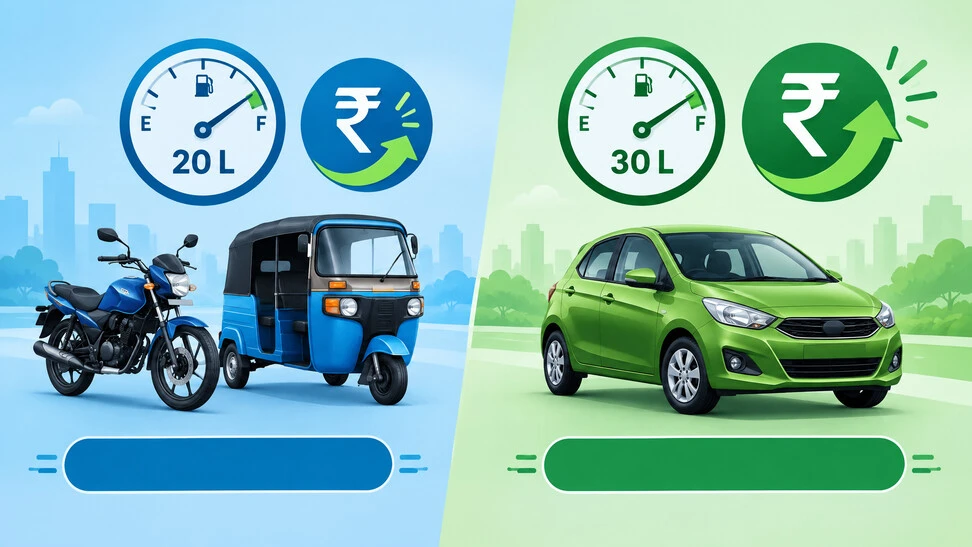
The exact amount received can therefore depend on how much of the allocated fuel is actually used. The monthly figures are maximum relief values, not guaranteed cash payments.
9771 Petrol Subsidy Province Codes
The 9771 petrol subsidy province code is used as part of the vehicle registration information submitted during the SMS registration process. The code identifies the relevant province or territory associated with the vehicle’s registration.
| Province/territory | 9771 code |
| Punjab | P |
| Sindh | S |
| Khyber Pakhtunkhwa | K |
| Balochistan | B |
| Islamabad | I |
| Azad Jammu & Kashmir (AJK) | A |
| Gilgit-Baltistan (GB) | G |
Punjab — P
For a vehicle registered in Punjab, use P as the province code.
Sindh — S
For a vehicle registered in Sindh, the applicable code is S.
Khyber Pakhtunkhwa — K
Vehicles registered in Khyber Pakhtunkhwa (KP/KPK) use K as the province code.
Balochistan — B
For a vehicle registered in Balochistan, use B.
Islamabad — I
Vehicles registered in the Islamabad Capital Territory use I.
AJK — A
For vehicles registered in Azad Jammu & Kashmir (AJK), use A.
Gilgit-Baltistan — G
Vehicles registered in Gilgit-Baltistan (GB) use G.
Which Province Code Should You Use?
The province code should correspond to where the vehicle is registered, rather than necessarily where you currently live or where you are buying petrol. For example, if you currently live in another province but your vehicle is registered in Punjab, the relevant registration code is P. Use the vehicle’s official registration information when completing the 9771 application rather than choosing a code based solely on your current location. Because the SMS registration system uses vehicle information for automated verification, entering the wrong province code can create a mismatch during registration. Check your vehicle registration records if you are unsure which jurisdiction applies.
9771 Petrol Subsidy Eligibility Verification
The 9771 petrol subsidy uses digital verification to determine whether an applicant and vehicle meet the scheme’s eligibility requirements. The government has placed the digital administration of the programme with the Ministry of IT & Telecom, through the Fuel Pass System (FPS). The verification process is intended to match the information submitted by applicants with relevant government records.
How Does the Government Verify Applicants?
The registration information is checked against the data needed to establish both the applicant’s identity and the vehicle’s eligibility. This can include:
- CNIC information to identify the applicant.
- Vehicle or number-plate information to identify the registered vehicle.
- Provincial registration data to match the vehicle with the relevant registration jurisdiction.
- Vehicle registration details, including the submitted registration date.
- Government records and databases used for automated eligibility checks.
- Fuel Pass System (FPS) for digital management and verification of the relief programme.
The government has described the process as an automated verification system, designed to check applicants and vehicles before the fuel relief is provided. The ECC has also specified important eligibility conditions, including the restriction to non-commercial users and one vehicle per user or owner.
Why Can a Registration Be Rejected?
A registration may fail when the information submitted does not match the records used for verification. Common areas to check include:
- Incorrect CNIC number
- Incorrect vehicle or plate number
- Wrong province code
- Incorrect vehicle registration date
- Mismatch in vehicle or ownership records
- A vehicle or applicant already associated with another application
- Failure to meet the scheme’s eligibility conditions
Some of these are directly tied to the government’s stated verification and eligibility requirements, while others are practical troubleshooting possibilities rather than individually published government rejection codes. Therefore, an error message should not automatically be interpreted as proof of a specific rejection reason.
Before submitting another application, carefully compare your CNIC, vehicle number, province code, and registration date with the vehicle’s official records. If all information is correct but verification still fails, use the government’s designated support channels rather than paying an unofficial agent or submitting your CNIC details to an unverified website.
What Is the Fuel Pass System (FPS)?
The Fuel Pass System (FPS) is the digital system being used to manage the government’s targeted fuel relief programme. The Economic Coordination Committee (ECC) assigned the Ministry of IT and Telecom responsibility for deploying and managing the system to support digital administration and transparent delivery of the 9771 Petrol Subsidy.
How the Fuel Pass System Works
At a high level, the Fuel Pass System connects the different stages of the petrol relief process:
- Registration: Eligible applicants submit their identity and vehicle information through the 9771 SMS system.
- Verification: The submitted information is checked against relevant records to establish eligibility.
- Relief allocation: Approved users receive access to the fuel relief available for their vehicle category and quota.
- Token request: A registered beneficiary sends TOK to 9771 before purchasing subsidised fuel.
- Fuel purchase: The token provides a way for the participating petrol station to verify the beneficiary’s eligible relief before processing the subsidised fuel purchase.
This digital approach allows the government to manage the subsidy according to defined eligibility rules and fuel quotas rather than providing an unrestricted discount to every petrol buyer.
Why Is the Government Using a Digital Fuel Subsidy System?
A digital system helps the government target the relief to eligible users instead of applying a blanket petrol subsidy. Identity and vehicle verification can help ensure that the benefit reaches the intended beneficiaries and that the defined vehicle and quota limits are applied. The system also supports transparency and controlled delivery. By linking registration, verification, fuel-token requests, and redemption, the government can administer the relief through a structured digital process.
This matters because the scheme is designed as targeted fuel relief, not an unlimited reduction in the country’s general petrol price. Digital verification helps limit the benefit to eligible users, apply the relevant fuel quota, and reduce the scope for duplicate or unauthorised claims. The ECC specifically described the FPS as a mechanism for the digital management and transparent delivery of the fuel relief scheme.
9771 Petrol Subsidy Registration Problems and Solutions
Problems with the 9771 petrol subsidy registration can happen when submitted information does not match government vehicle records or when the registration and token stages are confused. The government has confirmed the information required for registration and the separate TOK process, but it has not published an exhaustive list of every possible SMS error or rejection code. The checks below therefore distinguish official requirements from practical troubleshooting steps.
I Sent REG to 9771 but Received No Response
If you sent your registration request to 9771 and have not received a response, first check the information you submitted.
- Confirm that your CNIC number is correct.
- Check the vehicle or plate number carefully.
- Make sure the province code matches the vehicle’s registration jurisdiction.
- Confirm that you entered the correct vehicle registration date.
- Check that your SMS follows the latest government instructions.
- Avoid repeatedly sending different versions of your registration details, as conflicting submissions can make troubleshooting more difficult.
The government confirms that these core details are used for registration and verification. If your information is correct, allow the system time to process the request before repeatedly submitting another application.
My CNIC or Vehicle Information Is Rejected
A rejection can indicate that the information submitted does not match the records used for verification. Start by comparing your CNIC, vehicle number, province and registration date with your official vehicle and identity documents. Do not assume that changing one character or trying random information will solve the problem. The scheme uses automated verification, so the details should accurately represent the applicant and vehicle. The government’s published criteria also restrict the relief to eligible non-commercial users and one vehicle per user or owner. These eligibility conditions can therefore matter in addition to simple data-entry errors.
My Vehicle Registration Date Is Wrong
The registration date required for the 9771 process is the official date on which the vehicle was registered. It is not the date you bought the vehicle, the manufacturing date, or the date you started using it. If you entered the wrong date, check the vehicle’s official registration records and use the correct information when following the government’s instructions. An incorrect registration date can create a mismatch during automated verification.
My SIM Is Not Registered in My Name
A SIM-name mismatch may create a verification problem, but it is important not to present every online claim about SIM ownership as an officially published rejection rule. The government has confirmed that the registration system uses applicant and vehicle information for automated verification. If your application fails and your mobile number is registered to someone else, check the latest official instructions or support channel for the current SIM requirement rather than relying on an unofficial website or social-media post.
I Registered but Cannot Get TOK
Registration and the fuel-token request are two separate steps. Sending REG or submitting your registration information does not itself generate the fuel token.
If you cannot obtain a token:
- Confirm that your registration has been successfully completed.
- Check that you received the relevant confirmation or eligibility response.
- Send TOK to 9771 only after registration.
- Keep your registration and token-related SMS messages for reference.
The government’s instructions specifically tell registered beneficiaries to send TOK to 9771 before visiting the petrol station.
My Fuel Token Is Not Accepted
If a petrol station does not accept your fuel token, first check that the token is valid and that your registration and eligibility are active. You should also confirm that you still have an applicable fuel quota available. A problem can also involve the station’s system or its ability to process the digital fuel-relief transaction. In that situation, ask the station to verify the token through the designated system rather than paying an intermediary to “activate” the subsidy. If the issue remains unresolved, use the official support channels for the fuel relief programme. Do not give your CNIC, verification codes, or other sensitive information to an unofficial agent simply because they claim they can fix a rejected token.
Is the 9771 Petrol Subsidy Official or a Scam?
Is 9771 an Official Registration Number?
Yes. 9771 is the official SMS registration channel identified by the Government of Pakistan for the current fuel relief scheme. Radio Pakistan reported on September 14, 2026, that eligible applicants can register by sending their required CNIC, vehicle, province and registration information to 9771. The same government report confirms that registered beneficiaries can send TOK to 9771 to request their fuel-relief token before visiting a petrol station.
The scheme is also supported by the government’s broader official framework, including the Rs75 billion allocation approved by the Economic Coordination Committee and the Fuel Pass System managed through the Ministry of IT & Telecom.
How Can You Avoid Petrol Subsidy Scams?
Because the scheme involves CNIC and vehicle information, applicants should be careful about unofficial registration services. Keep these basic precautions in mind:
- Do not pay an agent simply to send the registration SMS for you.
- Do not submit your CNIC information to random websites claiming to offer petrol subsidy registration.
- Do not click suspicious links received through social media, WhatsApp, SMS, or email.
- Never share OTPs, passwords, or verification codes with another person.
- Check the latest instructions against official Government of Pakistan sources before submitting information.
- Be suspicious of anyone promising guaranteed approval, extra fuel, or faster registration in exchange for money.
The legitimate registration process is designed around the government’s SMS channel and digital verification system. You should not need to hand your identity documents or account credentials to an unofficial intermediary simply to access the scheme.
Why Are There Conflicting 9771 Claims Online?
Some confusion comes from the fact that information about 9771 changed during 2026. Earlier reports and fact-checks appeared before the current September fuel-relief programme had received its present official confirmation. Those older articles may therefore say that 9771 was unverified or was not an established petrol-subsidy registration number at that time. That information should not be confused with the current September 2026 scheme. The Government of Pakistan is now explicitly identifying 9771 as the registration channel and TOK as the fuel-token request.
For this reason, the publication date of a petrol-subsidy article matters. When checking eligibility, registration instructions, or SMS procedures, give priority to the latest official government announcements rather than relying on an older page that may describe an earlier stage of the programme.
When Does the 9771 Petrol Subsidy Start?
The 9771 petrol subsidy is being introduced through a phased rollout, rather than becoming operational everywhere at exactly the same time. Government announcements placed Islamabad first, followed by implementation across the rest of Pakistan, including Azad Jammu & Kashmir (AJK) and Gilgit-Baltistan (GB).
Islamabad Rollout
The government announced that implementation in Islamabad would begin around the night of September 14–15, 2026. This made Islamabad the first area included in the initial rollout of the fuel relief system.
Nationwide Rollout
The government subsequently scheduled implementation for the rest of Pakistan, including AJK and GB, for the night between September 16 and 17, 2026. This phased approach gives the authorities time to bring the registration, verification, Fuel Pass System, and petrol-station processes online across different areas.
Is the Rollout the Same Everywhere?
Not necessarily. The announced schedule distinguishes between the initial Islamabad rollout and the subsequent nationwide implementation. Actual availability can depend on the activation of the registration and fuel-relief systems in a particular area or at participating petrol stations. If you are registering around the rollout date, check the latest government announcement before assuming that every petrol station or every area is already processing fuel-relief tokens. The implementation schedule can change as the system is activated and expanded.
9771 Petrol Subsidy: How Much Can You Save?
The maximum saving depends on your vehicle category and the amount of petrol covered by your monthly quota. At the announced Rs100-per-litre relief rate, the maximum monthly benefit is Rs2,000 for eligible two- and three-wheelers and Rs3,000 for qualifying vehicles up to 800cc.
| Vehicle | Monthly litres | Relief/litre | Maximum relief |
| Motorcycle | 20L | Rs100 | Rs2,000 |
| Rickshaw/three-wheeler | 20L | Rs100 | Rs2,000 |
| ≤800cc car | 30L | Rs100 | Rs3,000 |
These are maximum relief amounts. If you use less than the applicable quota, your actual fuel relief will be lower.
Is the Rs100 Subsidy Paid in Cash?
No. The Rs100 benefit is fuel-price relief, not a cash transfer. The government applies the relief to eligible petrol purchases through the fuel-relief system and its associated token and verification process. For example, an eligible motorcycle with a 20-litre monthly quota can receive up to Rs2,000 in petrol relief. That does not mean the government sends Rs2,000 to the owner’s bank account.
What Happens After the Quota Is Used?
Once you have used your eligible subsidised fuel quota, additional petrol is not covered by the Rs100-per-litre relief under that allocation. You can still purchase petrol, but the fuel beyond the applicable subsidised quota is not entitled to the same relief. It is therefore useful to distinguish between your monthly fuel quota and your normal petrol consumption. The subsidy covers only the eligible quantity assigned to your vehicle category, subject to the scheme’s rules and available allocation.
9771 Petrol Subsidy vs Regular Petrol Price
The 9771 petrol subsidy does not set a permanent petrol price. Instead, eligible users receive Rs100 per litre in fuel relief on the covered quota. Because Pakistan’s petrol price can be revised as market conditions change, the amount you actually pay at the pump can change even while the Rs100 relief remains the same.
What Does Rs100 per Litre Relief Mean at the Pump?
Think of the relief as a Rs100 reduction against each eligible litre, rather than as a fixed new petrol price. For example, if the regular pump price were Rs380 per litre, an eligible litre covered by the scheme would effectively cost Rs280 after Rs100 relief. If the regular price later moved to Rs400, the same Rs100 relief would make the effective price Rs300. This is why an evergreen article should focus on the Rs100-per-litre benefit rather than quote one permanent petrol price. The government’s announced scheme provides the relief on up to 20 litres for eligible two- and three-wheelers and up to 30 litres for vehicles up to 800cc.
Why Does the Actual Amount Paid Change?
The petrol price at the pump can change when the government revises petroleum prices. Key factors include:
- International oil prices: Changes in global crude oil prices can increase or reduce Pakistan’s fuel costs.
- Exchange rates: Because petroleum is linked to international markets, changes in the rupee’s value can affect local fuel pricing.
- Petroleum levy and taxes: Government duties and taxes form part of the final retail price.
- Government price revisions: Pakistan can revise petrol prices in response to changing market conditions. Recent 2026 pricing has shown that petrol prices can move within short periods.
- Rs100 fuel relief: For eligible purchases, the announced relief reduces the applicable petrol cost by Rs100 per covered litre, subject to the scheme’s quota and rules.
In short: the regular petrol price can move up or down, but the announced 9771 relief is calculated separately at Rs100 per eligible litre. Always check the latest official petrol-price notification when calculating your actual payment.
Official Sources and How to Verify the Latest 9771 Rules
The 9771 petrol subsidy rules can change as the government updates the scheme, rollout, or implementation process. For the most reliable information, check primary government sources first and use news reports mainly for additional context.
Government of Pakistan / PID
The Press Information Department (PID) is one of the best sources for official policy announcements. Use government releases to verify important details such as:
- ECC approval of the fuel relief package
- The approved Rs75 billion funding
- Eligible vehicle categories and fuel quotas
- The Fuel Pass System (FPS)
- The non-commercial nature of the relief and other eligibility conditions
Government announcements are preferable when confirming what the scheme officially allows rather than relying on social-media posts or unofficial websites.
Radio Pakistan
Radio Pakistan is particularly useful for practical updates about how the scheme is being implemented. Its reports have covered:
- 9771 registration instructions
- The information applicants need to send by SMS
- The TOK request used before obtaining subsidised petrol
- The phased rollout dates
- Statements and instructions from the Prime Minister and other officials
For questions such as “What should I send to 9771?” or “When does the scheme start?”, Radio Pakistan can provide useful operational details alongside the formal government announcements.
Other Credible Reporting
Established news organizations can provide useful explanations, FAQs, and context around the 9771 petrol subsidy. However, their reports should be treated as secondary sources when they describe government policy. If a news report conflicts with an official government announcement, check the latest PID or Radio Pakistan statement before acting on the information. This is especially important for SMS formats, eligibility requirements, quotas, rollout dates, and changes to the subsidy mechanism.
Best practice: Before registering or sending personal information, verify the latest instructions from official government sources and make sure the information matches the current 9771 procedure.
Frequently Asked Questions About 9771 Petrol Subsidy
What is the 9771 petrol subsidy?
The 9771 petrol subsidy is part of the Prime Minister’s Fuel Relief Scheme. Eligible motorcycles, rickshaws, Qingqi vehicles and other qualifying two- and three-wheelers can receive Rs100 per litre on up to 20 litres monthly, while eligible vehicles up to 800cc can receive the same relief on up to 30 litres.
What is the official number for petrol subsidy registration?
The official SMS number for the current petrol relief registration process is 9771. Eligible applicants can register from home by sending the required vehicle and identity information to 9771. The government has also instructed that the registration SMS should be free of cost.
How do I register for petrol subsidy through 9771?
To register, send your CNIC number, vehicle number plate, first letter of the province where the vehicle is registered, and vehicle registration date to 9771. The government says these four basic pieces of information complete the registration process, subject to verification and eligibility.
What should I send to 9771?
For registration, send your CNIC number, vehicle/plate number, province of registration, and vehicle registration date to 9771. Use the information exactly as it appears in your official records. After successful registration, send TOK to 9771 separately when you need to request your fuel-relief token.
What is TOK 9771?
TOK is the SMS request used by an already registered beneficiary to obtain a fuel-relief token. The government instructs eligible registered users to send TOK to 9771 before visiting a petrol station. The resulting token is then used at the station to obtain the applicable subsidised fuel.
How do I get my petrol subsidy token?
First complete your 9771 registration and wait for the registration process to be completed. Before going to the petrol station, send TOK to 9771. The fuel station can then provide the subsidised petrol after checking the fuel-relief token, subject to your eligibility and available quota.
How much petrol subsidy does a motorcycle get?
An eligible motorcycle can receive Rs100 per litre in petrol relief on up to 20 litres per month. That gives a maximum monthly relief of Rs2,000. The benefit is fuel-price relief rather than a cash payment, and the applicable quota and scheme rules determine how much subsidised fuel can be obtained.
How much subsidy does an 800cc car get?
An eligible car with an engine capacity of up to 800cc can receive Rs100 per litre in petrol relief on up to 30 litres per month. The maximum monthly benefit is therefore Rs3,000. The scheme is restricted to eligible non-commercial users and is limited to one vehicle per user or owner.
Is the petrol subsidy available for cars above 800cc?
Under the currently announced eligibility criteria, the petrol relief covers vehicles up to 800cc, along with eligible motorcycles, rickshaws and other two- and three-wheelers. Cars above 800cc are therefore not included in the announced 800cc category unless the government later changes the scheme rules.
Are rickshaws eligible?
Yes. Eligible rickshaws are included in the petrol relief scheme. Rickshaws and other qualifying two- and three-wheelers can receive Rs100 per litre on up to 20 litres of petrol per month, giving a maximum relief of Rs2,000. The announced scheme applies to eligible non-commercial users.
Are Qingqi/Chingchi vehicles eligible?
Yes. The government specifically includes Qingqi rickshaws in the announced petrol relief scheme. Eligible Qingqi/Chingchi users can receive Rs100 per litre on up to 20 litres per month, subject to the scheme’s eligibility and verification requirements.
Is diesel included in the scheme?
The announced 9771 relief is a petrol relief scheme. The government has specified Rs100-per-litre relief for eligible petrol users, including motorcycles, rickshaws, Qingqi vehicles and vehicles up to 800cc. Diesel users are not included in the currently announced petrol-benefit categories.
What is the Punjab province code for 9771?
The commonly used province code for Punjab is P. This code identifies the province where the vehicle is registered when completing the 9771 registration information. Applicants should use the current official instructions if the government changes the SMS format or coding requirements.
What is the Sindh province code?
The commonly used province code for Sindh is S. It refers to the province in which the vehicle is registered. When submitting registration information to 9771, applicants should follow the latest government format and use their vehicle’s official registration details.
What is the Islamabad code?
The commonly used code for Islamabad Capital Territory is I. The province or territory information should correspond to the vehicle’s registration record, rather than simply the applicant’s current location. The government has separately identified Islamabad as the first area for the scheme’s initial rollout.
Can I register more than one vehicle?
The announced scheme limits fuel relief to one vehicle per user or owner. This means you should not expect to receive the benefit for multiple vehicles under the same eligible user or owner arrangement. The Fuel Pass System is intended to support digital verification and controlled delivery of the relief.
Do I have to visit a government office?
No. The government has introduced a simplified registration process that allows eligible applicants to register from home by SMS. You send the required information to 9771 rather than visiting a government office. The SMS process is designed to make registration easier and more accessible.
Is 9771 registration free?
Yes. The Prime Minister directed that the SMS required for registration should be free of cost. Applicants should be cautious of anyone asking for a registration fee, commission or payment to submit the 9771 application on their behalf.
Why did my 9771 registration fail?
A failed registration can result from incorrect or mismatched information, such as the CNIC, vehicle number, province or registration date. The government has not published a complete list of every possible rejection code. Recheck your official vehicle and identity records and follow the latest 9771 instructions before trying again.
What should I do if I don’t receive my token?
First confirm that your registration has been completed successfully and that you are eligible for the scheme. Then send TOK to 9771 before visiting the petrol station. Keep the SMS responses you receive. If the token still does not arrive or is rejected, use the latest official government guidance rather than paying an unofficial agent.
Is 9771 petrol subsidy real?
Yes. 9771 is an official registration channel for the current Prime Minister’s Fuel Relief Scheme, according to government reporting. Radio Pakistan states that eligible applicants register by sending their required information to 9771 and request their fuel-relief token by sending TOK to the same number.
When does the petrol subsidy start?
The government announced a phased rollout. Islamabad was scheduled to receive the scheme from the night of September 14–15, 2026, while the rest of Pakistan, including AJK and Gilgit-Baltistan, was scheduled to receive the petrol relief from the night between September 16 and 17.